Technological Upgrade of AC Current Module: Injecting "Precise Energy" into Smart Manufacturing
Oct 24, 2025
Technological Upgrade of AC Current Module: Injecting "Precise Energy" into Smart Manufacturing
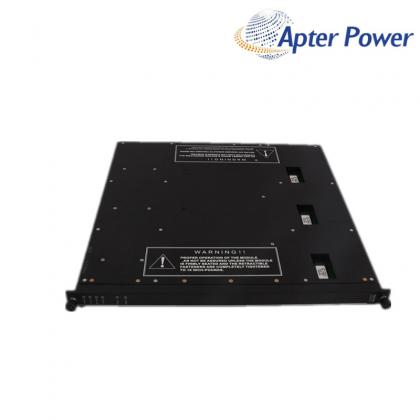
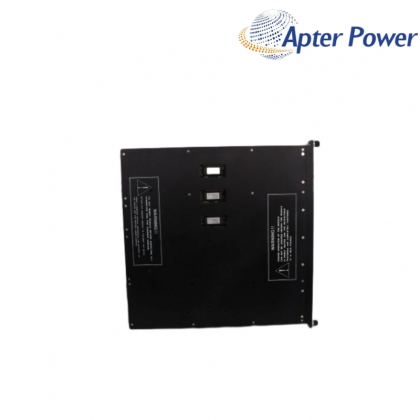
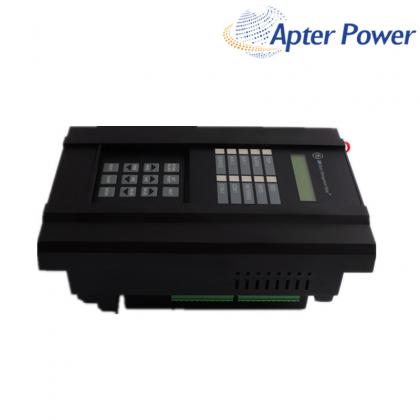
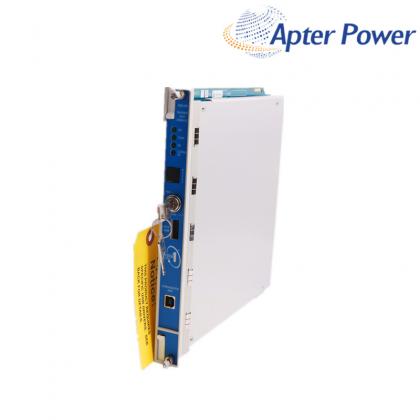
24, 2025, Guangzhou, China - With the continuous development of smart manufacturing and energy management systems, the AC Current Module, as a critical in industrial control and monitoring systems, is experiencing a new round of technological innovation. The latest generation of AC current modules has achieved significant improvements in precision, stability, and communication capabilities providing more accurate data support for the energy efficiency monitoring and power management of industrial equipment.
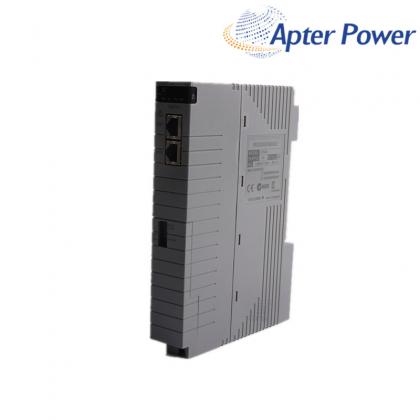
According to industry sources, new AC current modules from renowned brands such as ABB,emens, Yokogawa, and Allen-Bradley have been launched recently. These products are widely used in power distribution systems, frequency converters, generator monitoring, industrial process control, capable of real-time acquisition of three-phase AC current signals and transmission via high-speed data interfaces to PLC or DCS systems, achieving more efficient management and equipment protection.
"Traditional current modules are prone to data drift in high-load or electromagnetic interference environments, while the new generation of modules, by adopting highprecision A/D conversion chips and anti-interference filtering algorithms, has successfully reduced the error rate to within 0.1%," said Li, an industrial electrical expert
The upgrade also focused on optimizing the module's communication capabilities and compatibility. Most new modules support multiple communication protocols such as Modbus RTU, PROFIBUS-, EtherNet/IP, etc., and can directly connect seamlessly with mainstream PLC brands (such as Allen-Bradley ControlLogix, Siemens S-1500, Honeywell C300, etc.), greatly simplifying the system integration process.
In terms of safety and durability, some modules passed IEC 61010 and UL certifications, with wide temperature working characteristics (-25°C ~ 70°C), and adopt high insulation design, which can effectively resist transient overcurrent and lightning interference.
Industry analysis suggests that as the digitalization of the industry deepens, the AC current module will transform a simple measuring component into an "intelligent energy node," becoming an important foundation for achieving predictive maintenance and energy-saving control.
Future Outlook
Experts predict the development of AC current modules will focus on three major directions in the future:
Intelligence - Equipped with edge computing and AI diagnosis functions, automatically identifying abnormal current patterns
Networked - Realizing remote monitoring and data sharing through the Industrial Internet of Things platform;
Green and Energy-Saving - Promoting the transformation of manufacturing towards low-carbon and efficient direction.
Conclusion
The continuous innovation of AC current modules is providing more secure and intelligent power management solutions for modern industrial systems. With the deepening digitalization and intelligence in manufacturing, this "micro component" is becoming a core force in energy control and equipment reliability